● HUNAN CULINARY · VISUAL TASTE EXPERIMENT

SPICE
ECG

Spiciness is not a static number — it is a sensory experience with peaks and valleys. We translate the heat of every Hunan dish into a live waveform. Instead of simply looking at food, you are watching the heartbeat of Hunan cuisine.

SCROLL
6
ICONIC DISHES
5
SPICE LEVELS
400+
YEARS OF CHILI
∞
FLAVOR DIMENSIONS
CORE CONCEPT · IDEA

SPICE IS A
WAVEFORM

An electrocardiogram (ECG) records the electrical activity of the heart; every beat leaves its own waveform. Spice ECG borrows this metaphor — each Hunan dish also has a heartbeat. Chopped chili fish head produces tall, sharp QRS spikes, while mild sugar-oil baba settles into a calm baseline.

This is not only a visual experiment. It is an exploration of usability design: letting the user feel the visibility of system state through direct interaction.

EXPERIENCE THE WAVE INTERACTION →

CULTURE · STORIES

TWO THOUSAND
YEARS OF CHILI

From the moment chili arrived in Hunan, to the fermentation philosophy of the Miao and Tujia peoples of the west; from a leader’s braised-pork nostalgia, to the urban anthropology of a Changsha night — behind every dish sits a story with real human warmth.

EXPLORE CULTURE TOPICS →
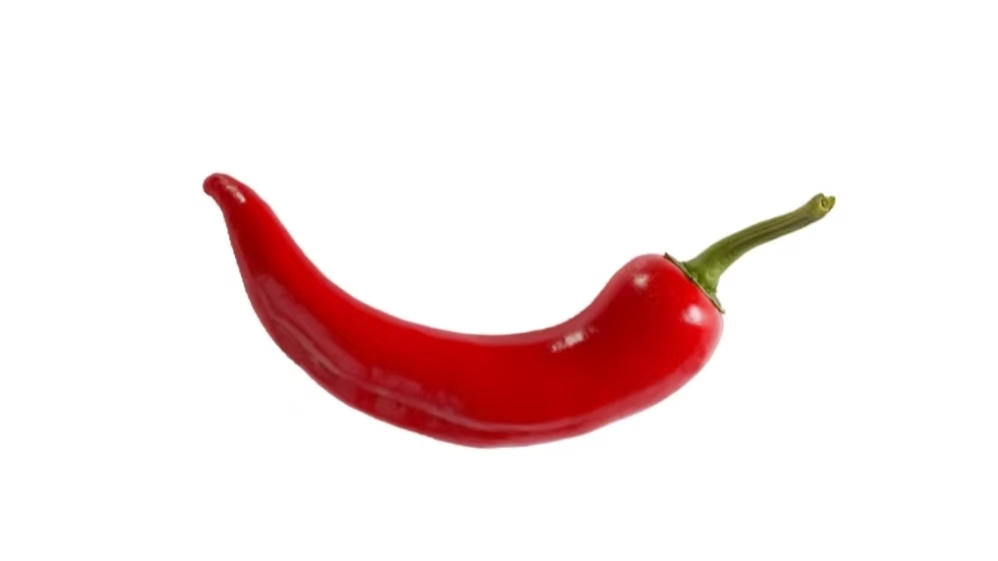
Fresh red chili
HISTORICAL ORIGIN

Chili in Hunan: a journey that reshaped taste

Chili was never native to Hunan. It sailed in after the Age of Discovery — and finally found its home here.

READY TO FEEL THE “HEARTBEAT”?

Enter Spice ECG, choose your Hunan dish, and watch its spice waveform beat in real time. Every click is a small sensory experiment.

▶ LAUNCH SPICE ECG
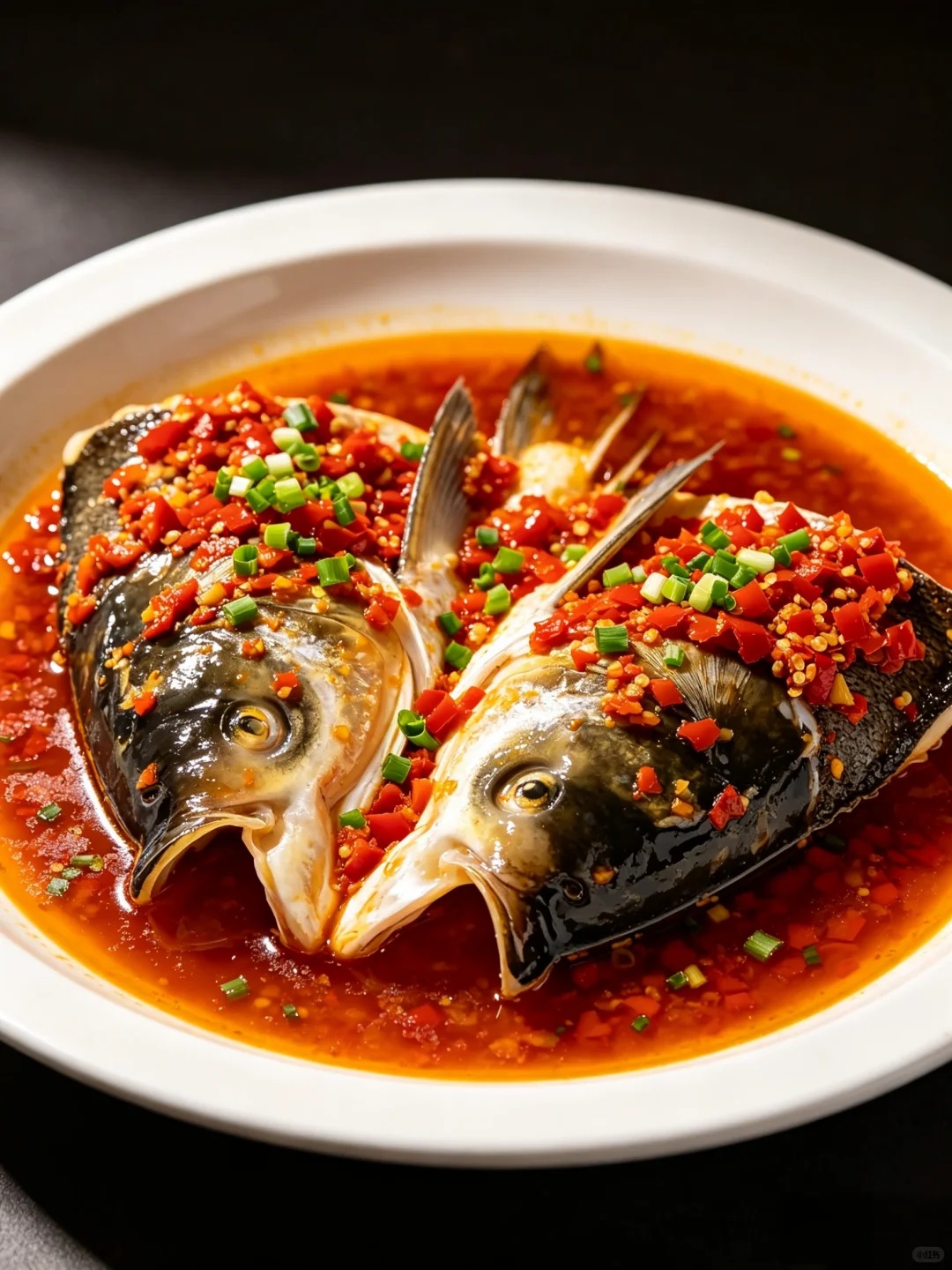
Steamed fish head with chopped chili
🔥🔥🔥🔥🔥

CHOPPED CHILI
FISH HEAD

CHOPPED CHILI FISH HEAD · CHANGSHA
HEART RATE
142 BPM
AMPLITUDE
2.8 mV
CAPSAICIN
892 µmol
SYSTEM STATE
CRITICAL
ABOUT THIS DISH

Chopped chili fish head is one of the most representative dishes of Hunan. A fresh silver-carp head is steamed on a bed of house-pickled chopped chili. The chilies are salt-fermented until bright, sour and fragrant, and their juice sinks into the tender fish flesh. Legend dates it to the Qing dynasty, when a landlord in exile in Hunan served fish head with chili as a humble meal — and created a classic.

Today it is a symbol of Hunan food culture: the vivid red is daring, yet the first pull of fish meat makes you want another bite before the burn even arrives.

FLAVOR PROFILE
SPICE
95
UMAMI
88
SALT
72
SOUR
55
AROMA
98
INGREDIENTS
Silver carp headChopped chiliGingerGarlicBlack beanScallionSaltCooking wine
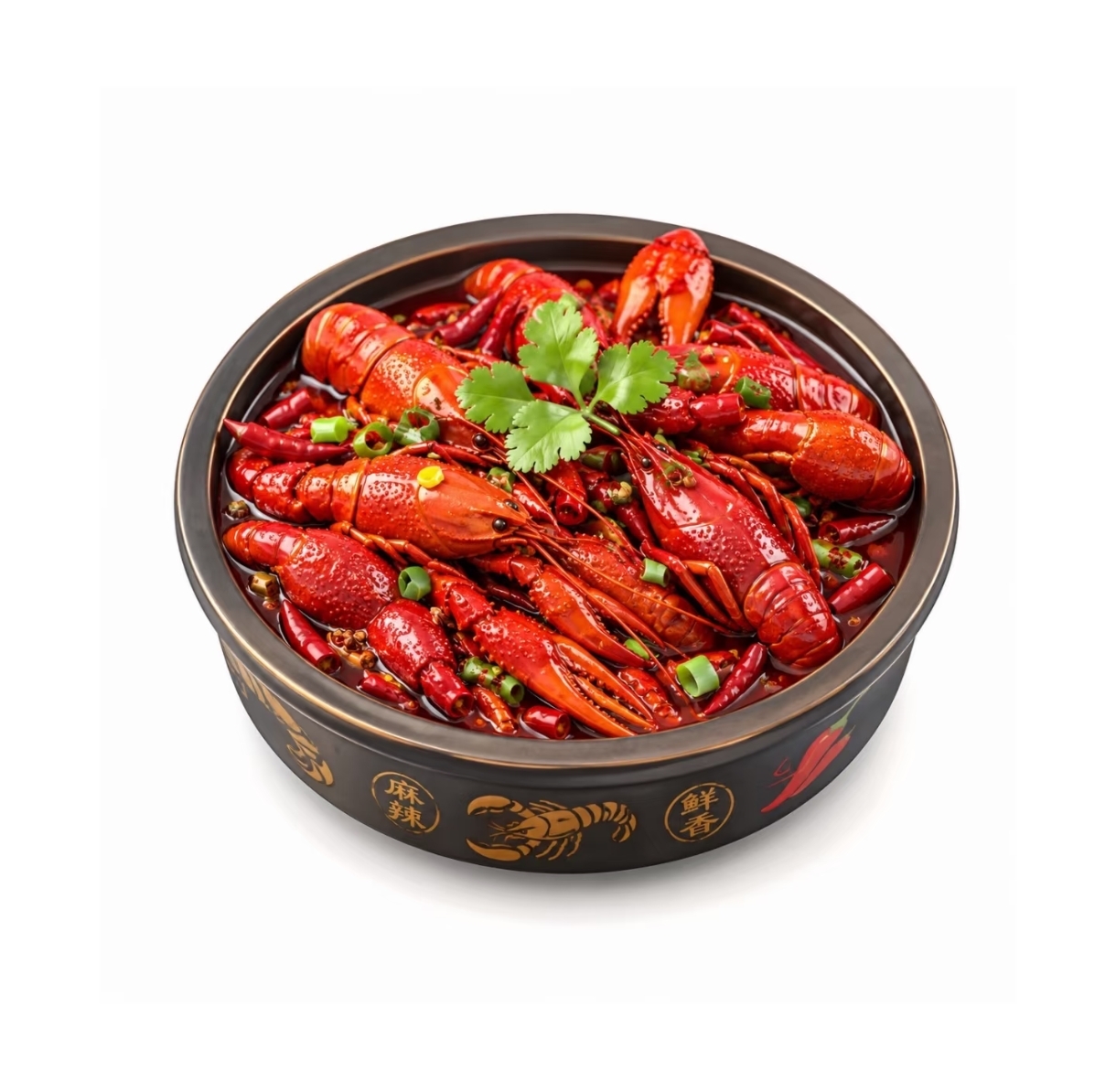
Spicy numbing crayfish
🔥🔥🔥🔥🍜

SPICY
CRAYFISH

SPICY NUMBING CRAYFISH · CHANGSHA
HEART RATE
128 BPM
AMPLITUDE
2.1 mV
CAPSAICIN
651 µmol
SYSTEM STATE
WARNING
ABOUT THIS DISH

Spicy crayfish is the absolute star of Changsha’s night culture. Fresh crayfish are stir-fried hard, then wrapped in a glossy sauce of doubanjiang, dried chili, Sichuan pepper, garlic and ginger. The result is numb-spicy and bright, impossible to stop eating.

On summer nights, the alleyways of Changsha glow with red neon. Diners sit around folding tables, sleeves rolled up — this dish is not only food, it is a living portrait of Changsha’s street energy: loud, direct, and addictive.

FLAVOR PROFILE
SPICE
82
UMAMI
78
NUMB
65
SALT
70
AROMA
85
INGREDIENTS
CrayfishDoubanjiangDried chiliSichuan pepperGarlicGingerBeerStar anise
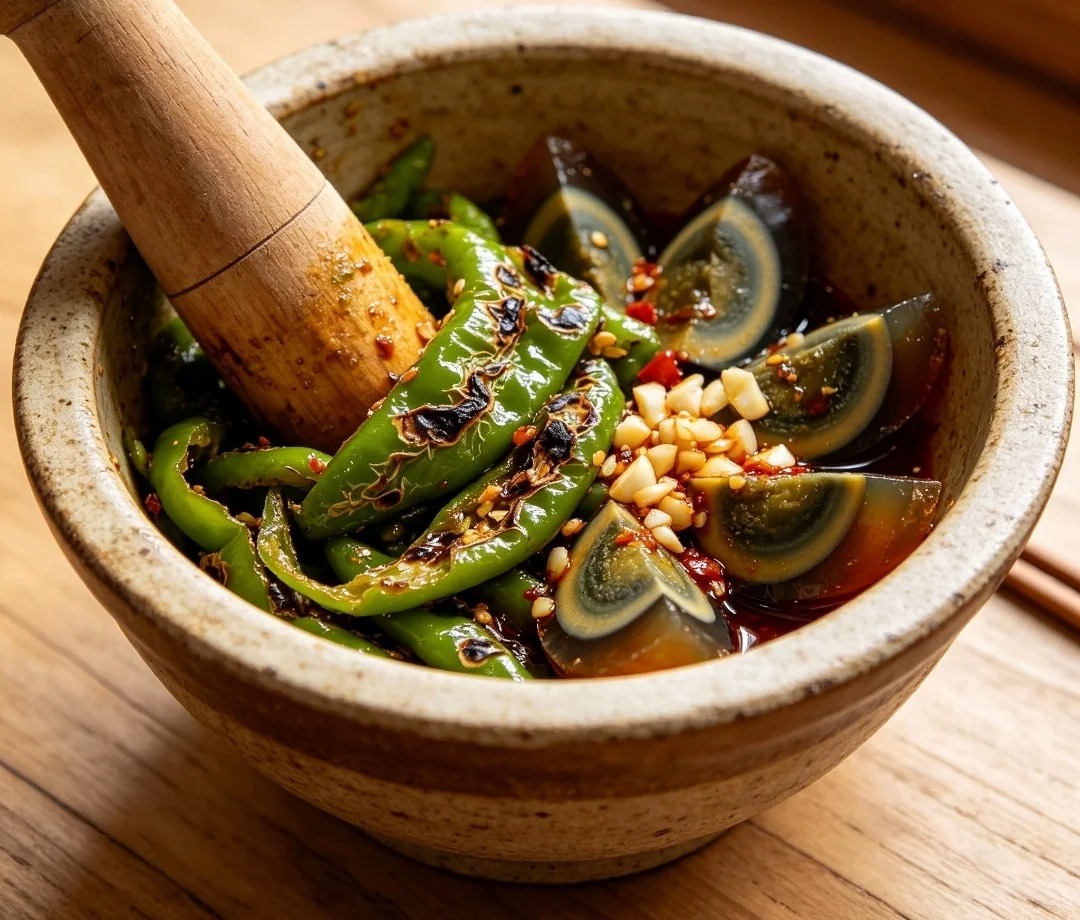
Smashed chili century egg
🔥🔥🔥🍜🍜

SMASHED CHILI
CENTURY EGG

SMASHED CHILI CENTURY EGG · CENTRAL HUNAN
HEART RATE
105 BPM
AMPLITUDE
1.4 mV
CAPSAICIN
412 µmol
SYSTEM STATE
ELEVATED
ABOUT THIS DISH

Smashed chili century egg is the most individual cold dish in the Hunan household repertoire. Green chilies are charred over an open flame until the skin blisters, then pounded in a mortar together with century egg, garlic, salt and sesame oil.

The smoky chili aroma collides with the egg’s rich, savory amino-acid depth, producing a layered and complex taste. In the simplest way, it shows how deeply Hunan cooks understand ingredients — fire, time and plainness together form the most charming food philosophy.

FLAVOR PROFILE
SPICE
58
UMAMI
82
SMOKE
75
SALT
65
AROMA
70
INGREDIENTS
Century eggGreen chiliGarlicSesame oilSaltSoy sauce
Western Hunan sour pork
🔥🔥🔥🍜🍜

WESTERN HUNAN
SOUR PORK

WESTERN HUNAN SOUR PORK · WESTERN HUNAN
HEART RATE
98 BPM
AMPLITUDE
1.2 mV
CAPSAICIN
358 µmol
SYSTEM STATE
ELEVATED
ABOUT THIS DISH

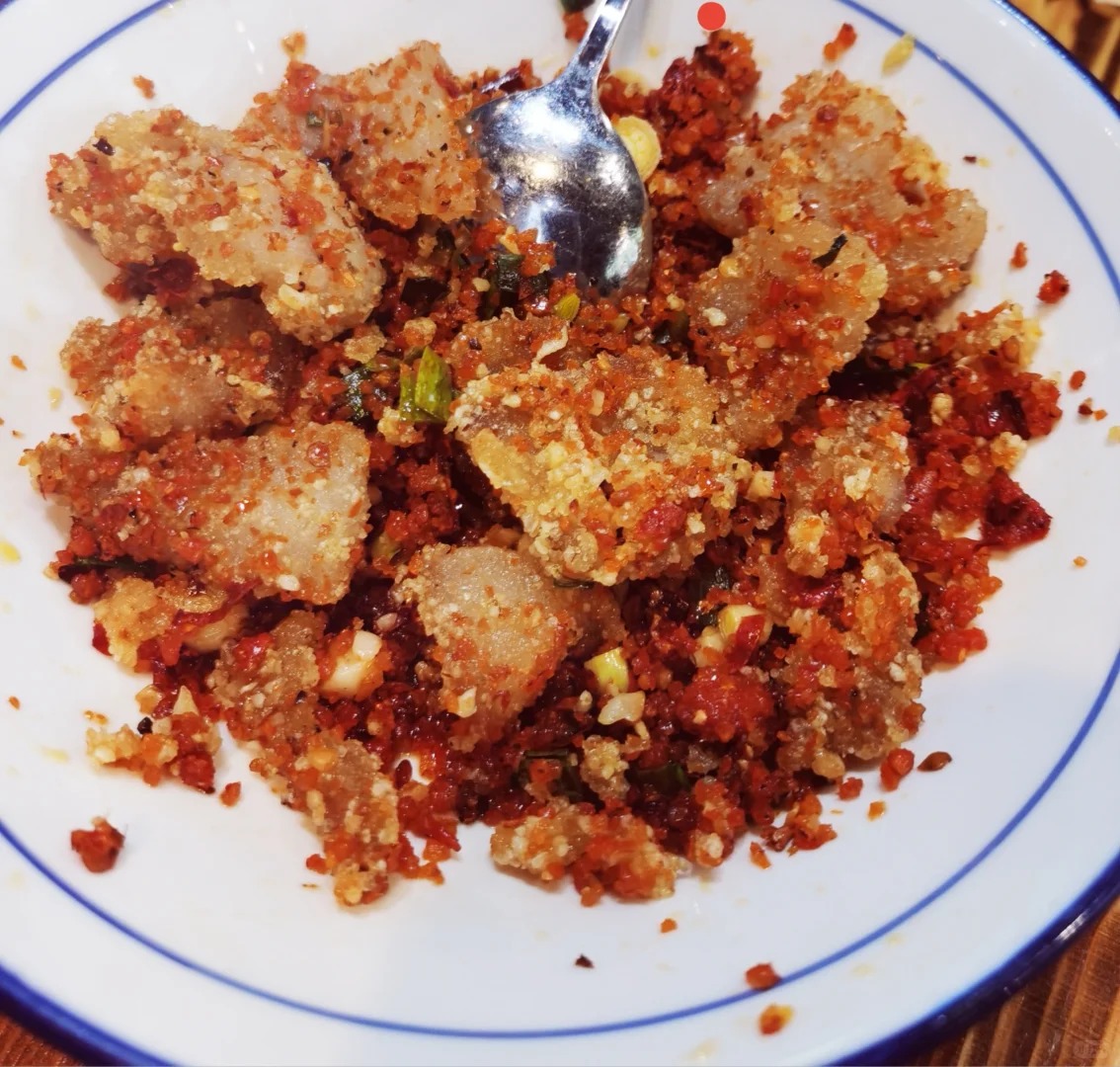
Western Hunan sour pork is a traditional food of the Tujia and Miao peoples of the mountain west. Fresh pork is mixed with chili powder, salt and roasted rice flour, then sealed in a jar and left to ferment for days. Fermentation gives the meat its bright tang and reliable heat.

In the humid mountains of western Hunan, sour pork is both a way to preserve food and a philosophy: trading time for flavor. Pan-fried until crisp outside and tender inside, the sour and spicy notes melt into one another — a generous gift from the mountains.

FLAVOR PROFILE
SPICE
68
SOUR
78
UMAMI
65
SALT
72
AROMA
68
INGREDIENTS
Pork bellyChili powderRice flourSaltGingerBaijiu
Stir-fried pork with chili
🔥🔥🍜🍜🍜

STIR-FRIED PORK
WITH CHILI

STIR-FRIED PORK WITH CHILI · CHANGSHA
HEART RATE
88 BPM
AMPLITUDE
0.9 mV
CAPSAICIN
256 µmol
SYSTEM STATE
ELEVATED
ABOUT THIS DISH

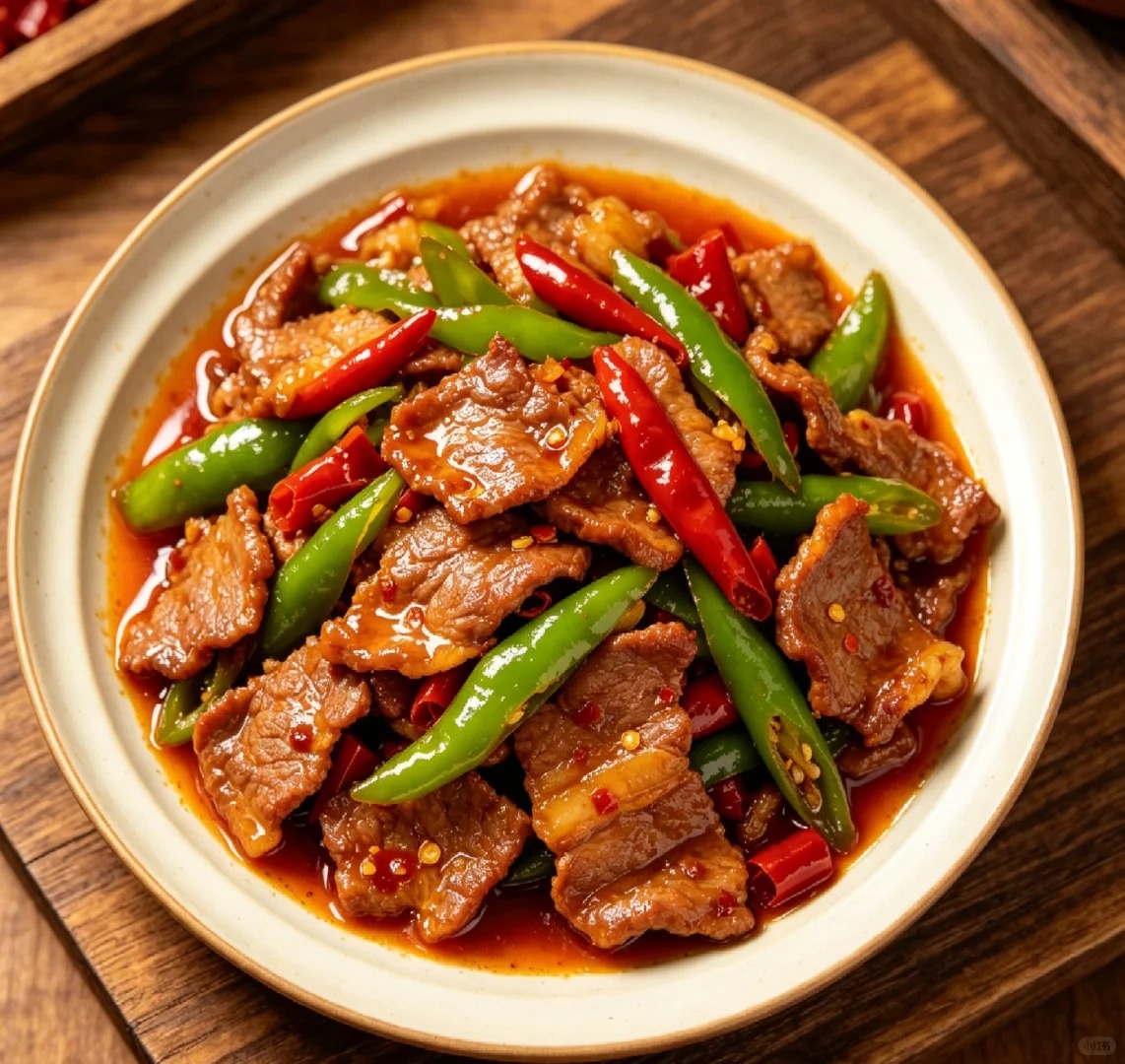
If every Hunan household has one dish it cannot live without, this is it. Fresh local chilies and sliced pork belly are tossed over a roaring wok until the fat renders and the chilies blister. A splash of soy and a pinch of salt is all it takes.

It is the everyday backbone of Hunan cooking — not a banquet showpiece, but the dish that makes rice disappear. Its warmth is steady, honest, and reliably comforting, which is exactly why it is loved across the province.

FLAVOR PROFILE
SPICE
72
UMAMI
90
SALT
70
FAT
66
AROMA
85
INGREDIENTS
Pork bellyFresh chiliGarlicGingerSoy sauceSalt
Sugar oil baba
🍜🍜🍜🍜🍜

SUGAR OIL
BABA

SUGAR OIL GLUTINOUS CAKE · CHANGSHA STREET
HEART RATE
58 BPM
AMPLITUDE
0.2 mV
CAPSAICIN
12 µmol
SYSTEM STATE
NOMINAL
ABOUT THIS DISH

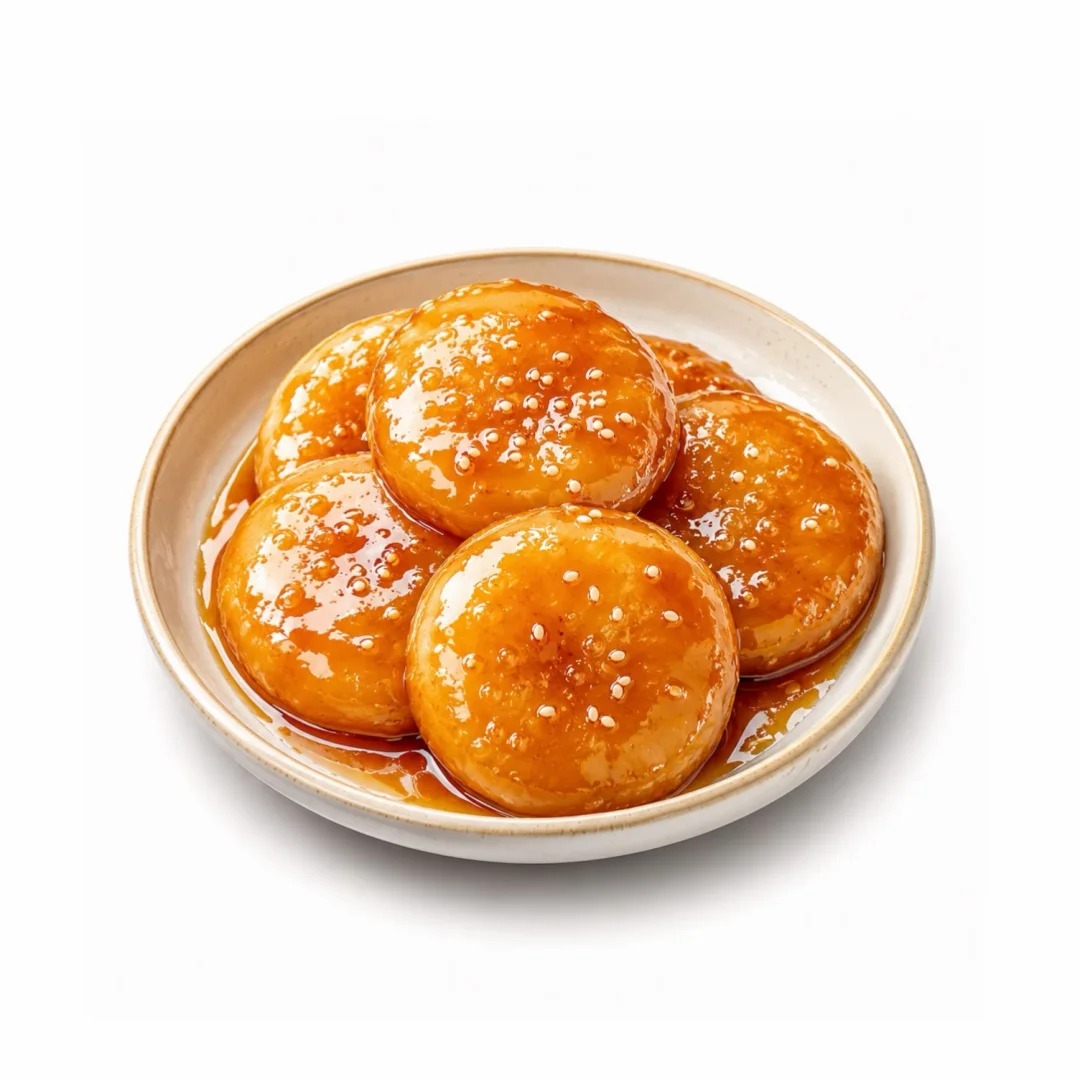
Sugar oil baba is the gentle counterpoint to all that fire. Glutinous rice dough is shaped into small cakes and pan-fried until golden, then bathed in melted brown sugar that caramelizes into a glossy, amber glaze.

Soft, chewy and sweet, it is the classic street snack of old Changsha — the calm baseline after a night of crayfish and chili. In the ECG of Hunan cuisine, this is the dish that lets the system breathe.

FLAVOR PROFILE
SPICE
5
SWEET
92
CHEWY
88
SALT
15
AROMA
78
INGREDIENTS
Glutinous rice flourBrown sugarOilWater
Fresh red chili

CHILI IN HUNAN: A JOURNEY THAT CHANGED TASTE

From the American continent to the Hunan table — how chili became the soul of the cuisine.

Chili was never native to Hunan. It came from the Americas after the great age of navigation, yet it found its truest home on Hunan soil — and ultimately defined the character of Hunan cuisine.

Chili (Capsicum annuum) is native to Central and South America, and reached China through coastal trade in the late Ming dynasty. At first it appeared in Chinese gardens as an ornamental plant; scholars called it «fan pepper» and admired its bright fruit, never imagining it would one day reshape the eating habits of Hunan.

How Chili Took Root in Hunan

Hunan lies in southern China, ringed by mountains and humid. The damp climate easily breeds cold-dampness in the body, and the heat of chili compensates for exactly this shortcoming. Hunan people quickly discovered that chili not only drives away dampness, but also gives a strong, bright character to otherwise plain ingredients. By the late 17th century, chili was widely planted across Hunan and had already found its way into every household kitchen.

The Invention of Chopped Chili

The love of chili in Hunan gave birth to many special preparations. The most representative is chopped chili: fresh red chilies are finely cut, mixed with salt, and left to ferment in a sealed jar. This process gives the chili an extra sour-fragrant layer, uniting salt and spice into one — the soul seasoning of Hunan cooking. Combined with fish head, it eventually produced the nationally famous chopped chili fish head.

Chili and the Hunan Character

Hunan history has produced many bold figures who changed the fate of China. People say Hunanese people dare to take risks, are direct and tough — a character not unrelated to long-term chili eating. The heat and stimulation of chili may well be the eating metaphor for the temperament of the people of Hunan.

Braised pork, tribute to a leader's home table

MAO’S TABLE: BRAISED PORK & REVOLUTION

A leader who walked out of Shaoshan never forgot the taste of home.

Mao’s well-known love for braised pork carries deep feeling for his home region — and reflects the plainest human side of a generation’s leader.

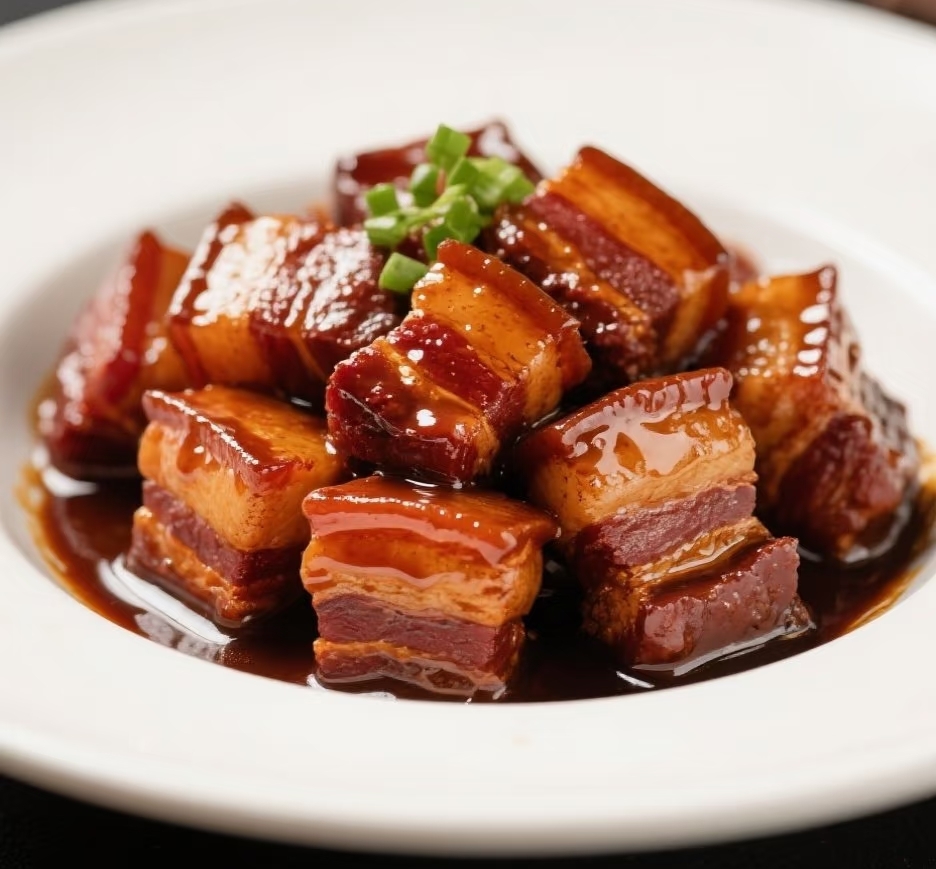
In the kitchen records of Zhongnanhai, his food preferences were carefully noted. The dish he loved most was always the braised pork from his home region of Shaoshan — pork belly braised with soy sauce, rock sugar and cooking wine, until the sauce is glossy and thick, rich but not greasy.

Braised Pork and the Brain

Mao once joked to the people around him: «Eating braised pork feeds the brain.» The line spread widely, carrying a touch of humor as well as plain philosophy. In an era of scarcity, braised pork was a rare luxury — the simplest longing for a good life.

The Taste of Shaoshan

Born in Shaoshan, Xiangtan, Hunan, he grew up surrounded by the salty-spicy taste of Hunan farm food. Even at the center of power, he kept a deep affection for home cooking. He disliked refined Cantonese food as too bland, and disliked elaborate court food as too complicated. The direct, fiery character of Hunan food was the real taste of home in his heart.

The Historical Weight of One Dish

Today, the braised pork named after him has become a signature of Hunan restaurants, found from Changsha hotels to small eateries across the province. This dish connects history with the present, the individual with the era — a textbook example of how a piece of pork is loaded with cultural meaning.

Western Hunan fermented sour pork

WESTERN HUNAN: MIAO & TUJIA DIETARY PHILOSOPHY

Deep in the mountains, an ethnic group measures time through food.

Western Hunan is the most mysterious region of the province, where Miao and Tujia peoples have lived for generations, creating a diet built on fermentation and smoke, with sour-spice as its soul.

Western Hunan, ringed by the Wuling mountains, is one of the most distinctive places in China. The quartz-sandstone peaks of Zhangjiajie and the riverside old town of Fenghuang form its visual character. In eating, western Hunan possesses a style completely different from the rest of the province.

Fermentation: The Alchemy of Time

In the diet of the Miao and Tujia peoples, fermentation sits at the core. Sour meat, sour fish, pickled vegetables — fermentation is not only a way to preserve food, but a way of conversing with time. Ingredients are sealed in jars and left to microbes transform them; after weeks or even months, what is opened is a concentrated and elevated flavor.

Smoke: Fire Talking to Ingredients

In an age without refrigeration, smoking was another wisdom for preserving meat. Different regions use different smoking materials — rice husk, pine twigs, tangerine peel, tea leaves — each lending the cured meat its own smoky layers.

The Philosophy of Sour-Spice

If the spiciness of other regions is direct and fiery, then the spice of western Hunan carries a certain indirection — it is almost always paired with sourness, forming a sour-spice double dimension. This sour-spice is not simple addition, but a chemical dialogue between the organic acids produced by fermentation and chili. The people of western Hunan interpret a plain dialectical principle through food: without the echo of sourness, spice loses its depth.

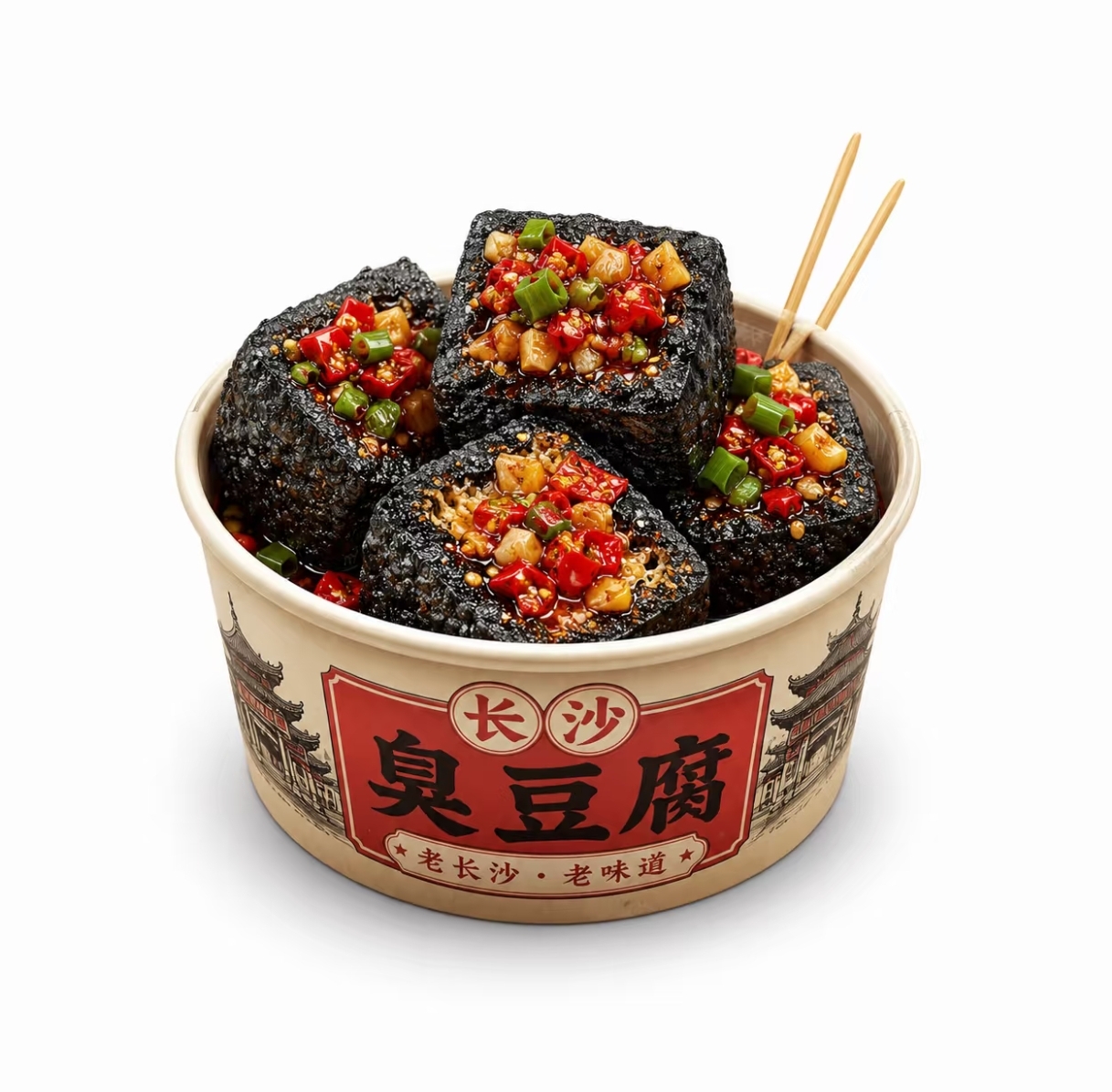
Changsha stinky tofu, the icon of the night market

NIGHT IN CHANGSHA: STREET-FOOD CULTURE & CITY SOUL

When night falls, the real Changsha just wakes up.

Changsha’s night-food culture is among the most vital in China. Stinky tofu, crayfish and sweet cakes form the living texture of the city after dark.

In China, few cities rival Changsha for night food. As night falls — especially after ten o’clock — the streets of Changsha truly enter their own time zone. Places like Pozi Street and Taiping Street, ordinary city spaces by day, transform after dark into kitchen battlefields thick with smoke and fire.

Stinky Tofu: The Smell That Defines a City

The most divisive yet beloved symbol of Changsha nights is stinky tofu. Deep-fried until the shell is crisp, stuffed with chili sauce and garlic, it smells of fermentation yet tastes of pure umami. Outsiders recoil; locals queue. This contradiction is the city.

Crayfish and Sugar Oil Baba

Alongside the tofu, crayfish is the summer ritual — folding tables, beer, a basin of bright red shells. Between the heat and the grease, golden sugar oil baba is the gentle counterpart: chewy glutinous rice in caramelized brown sugar, the calm that balances the night.

Night Food and City Identity

Changsha’s night food is not only a culinary phenomenon, but a way of constructing urban identity. Here, the night table is a social platform, an emotional container, a carrier of memory. Whether local or visitor, once you sit at a folding table with a bowl of street food, you have naturally merged into the most real daily life of this city.

Chopped chili fish head

THE ART OF CHOPPED CHILI: FERMENTATION, TIME & CURING

Behind one jar of chopped chili lies a thousand-year cooperation between Hunan people and microbes.

Chopped chili is the foundational seasoning of Hunan cooking, and its most representative fermentation craft. From selecting peppers to opening the jar, every step is a negotiation with time.

Chopped chili, called «duo jiao» by Hunan people, is one of the most important soul seasonings of Hunan cuisine. The craft looks simple — wash and dry fresh red chilies, chop them, mix with salt, seal in a jar — yet the microbiological principles and flavor chemistry behind it are remarkably complex.

Selecting Peppers: Raw Material Decides Everything

The first factor of quality chopped chili is ingredient selection. Locally grown bullet peppers and line peppers are the most common varieties: high heat, thick flesh, moderate moisture. Fresh chilies must be picked on a sunny day and surface-dried before processing, to avoid spoilage from stray bacteria.

The Role of Lactic Acid Bacteria

The fermentation of chopped chili is led by lactic acid bacteria. In the sealed jar, salt creates a high-osmotic environment that suppresses most spoilage bacteria, while salt-tolerant lactic acid bacteria multiply in large numbers, converting the chili’s sugars into lactic acid. The organic acids produced give chopped chili its signature sour-fragrant aroma while further lowering the pH, forming a self-sustaining protective environment.

The Variable of Time

The flavor of chopped chili keeps evolving on the time axis. At seven days, heat is sharp and sourness first appears; at one month, sourness is rounder and the heat softens; at six months or more, aged chopped chili has the richest layers and is the best choice for making chopped chili fish head. Time is the cheapest yet most expensive ingredient in this craft.

SPICE MAP · GEOGRAPHY

HUNAN SPICE
GEOGRAPHY

Different regions of Hunan each carry their own chili culture. Click a node on the map to explore the local style and its signature dishes.

N Western Hunan Changsha River Fish Home Style

HUNAN PROVINCE · SPICE DISTRIBUTION MAP

← Click a node on the map to explore each region
ECG LAB · LIVE

SPICE ECG
EXPERIENCE

Choose a Hunan dish below and watch its spice heartbeat trace across the screen. The hotter the dish, the sharper and faster the waveform.

EVERY DISH HAS A HEARTBEAT

The waveform above is the core interaction metaphor of this project. Spice is translated into signal: peaks, intervals and baseline all carry meaning. This is the visibility of system state in interaction design, made sensory.

BACK TO DISH CATALOG →